
Gender-Affirming Surgery for Transgender Women in Thailand

Designed for a natural appearance, functional depth, and preserved sexual sensation, with a surgical plan built around you and full support through your recovery.

Every body is different, and so is every goal. Before surgery, Dr. Chettasak Tulayaphanich, known to his patients as Dr. Chet, looks at your anatomy and the tissue you have, asks how you hope to use your vagina, and reviews your general health and how ready you are for the care that follows surgery. Together, you then choose the technique and recovery plan that fit you best.
Gender-Affirming Surgery for Transgender Women in Thailand

Designed for natural appearance, functional depth, and preserved erotic sensation.
Supported by individualized surgical planning and comprehensive postoperative care.

At WIH, every surgical plan begins with a careful assessment of the patient’s anatomy, available tissue, desired vaginal function, medical condition, and commitment to postoperative care. These factors guide the selection of the most appropriate surgical technique and recovery plan for each patient.

What Defines a Satisfactory Outcome?

A good result is about more than appearance. Dr. Chet plans for three goals at once: a natural external appearance, sexual function, and sexual sensation.

1. Natural External Appearance

Appearance is the first thing you will see, so the surgery aims to recreate the shape and proportions of natural female anatomy: well-defined labia minora, a clitoris and clitoral hood in proportion, and a naturally shaped vaginal opening. Your final appearance also depends on your anatomy, the tissue available, and how your body heals.

2. Sexual Function

If you want penetrative sex, your new vagina needs enough depth and width, with a healthy, stable lining, so penetration can be comfortable. The lining can be made from a skin graft, peritoneal tissue, or colon. Dr. Chet will help you choose based on your anatomy, your goals, and how well you can keep up with dilation after surgery.

3. Erotic Sensation

Sensation is often one of the biggest concerns. Dr. Chet builds the clitoris and other sensitive structures with great care, protecting the nerves and blood supply that keep them alive and responsive. Sensation returns differently for everyone and may keep improving over time.

A good outcome is never about appearance, depth, or sensation alone. All three are planned together from the very first consultation.

Understanding NPI: External Design and Vaginal Lining

While researching, you may come across terms like penile inversion, NPI, skin graft vaginoplasty, PPV, and colon vaginoplasty, and wonder how they fit together. It is easy to get confused, because these terms do not all describe the same part of the operation.

The simplest way to understand them is to think of the operation in two parts: building the external genitals you can see, and choosing the tissue that lines the inside of the vaginal canal.

Part 1 — External Genital Design

This part uses your existing genital tissue to create the clitoris, clitoral hood, labia minora, labia majora, urethral opening, and vaginal opening.

Penile Inversion

Penile inversion is the conventional approach. Most of the penile skin is turned inward to form the vaginal canal, and the remaining tissue is used to build the external genitals. The exact design varies from surgeon to surgeon.

The WIH NPI Surgical Design

Dr. Chet takes a different approach, called NPI, or Non-Penile Inversion. Instead of turning the penile skin inward to line the vagina, he keeps it for the parts you can see. Prepuce (foreskin) tissue is used to create well-defined labia minora, and the penile skin is positioned vertically to shape the vulva and a natural V-shaped vaginal opening.

Because the penile and prepuce skin are saved for the outside, the vaginal canal is created and lined as a separate step, which is explained in Part 2.

Explore Dr. Chettasak’s NPI Surgical Design

NPI Surgical Design for MTF Gender-Affirming Surgery

Dr. Chettasak’s NPI Surgical Design for MTF Gender-Affirming Surgery

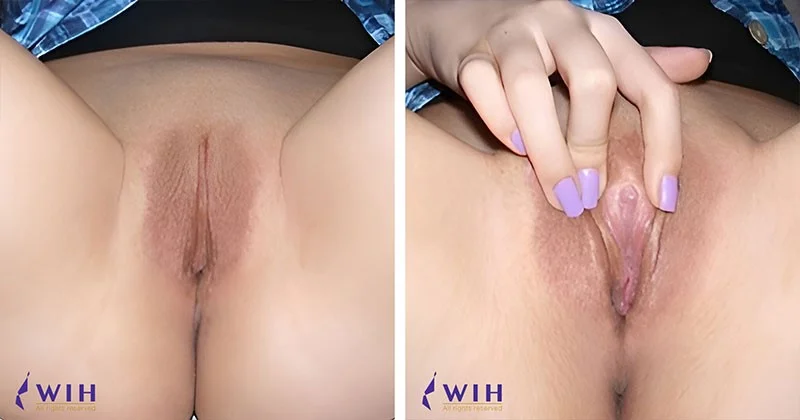
This case shows how the NPI technique focuses on a natural feminine appearance, anatomical precision, and preserved sexual sensation. Individual results vary.

Surgery by Dr. Chettasak Tulayaphanich · WIH International Hospital

Why Individualized Planning Matters

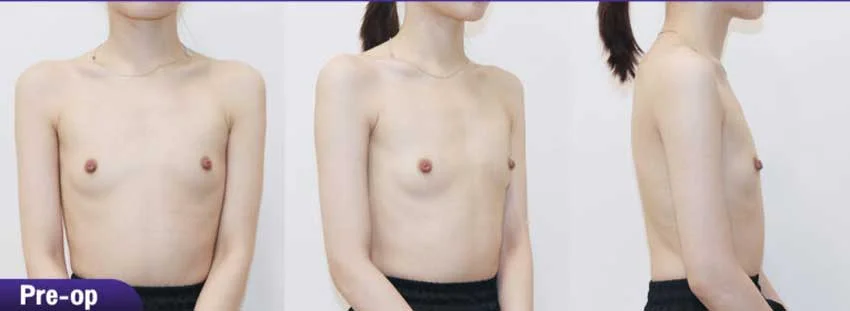
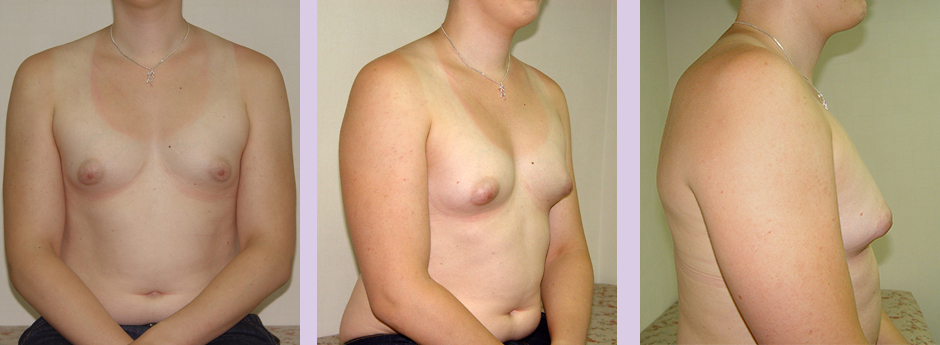
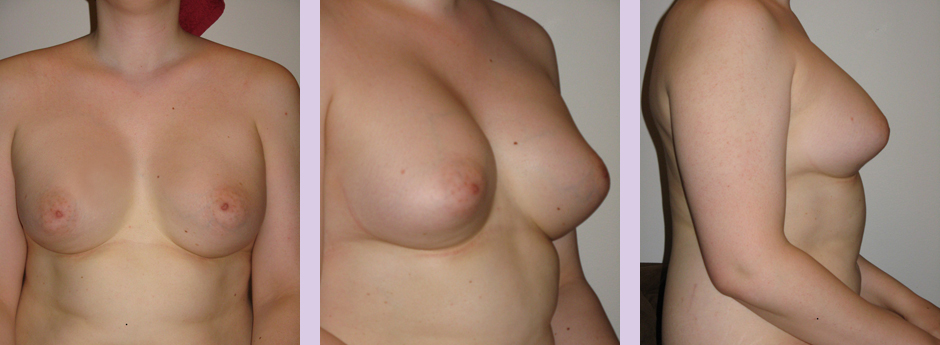
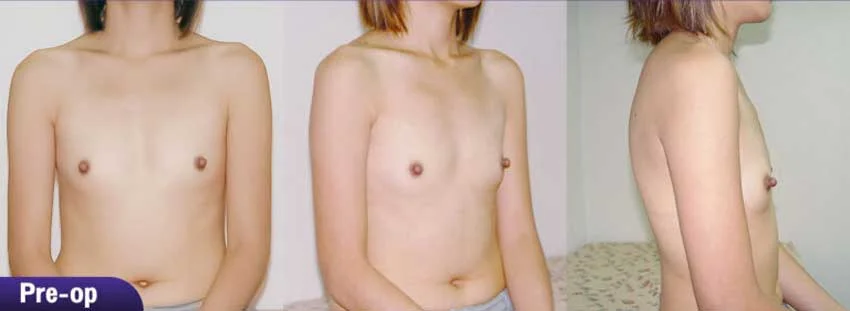
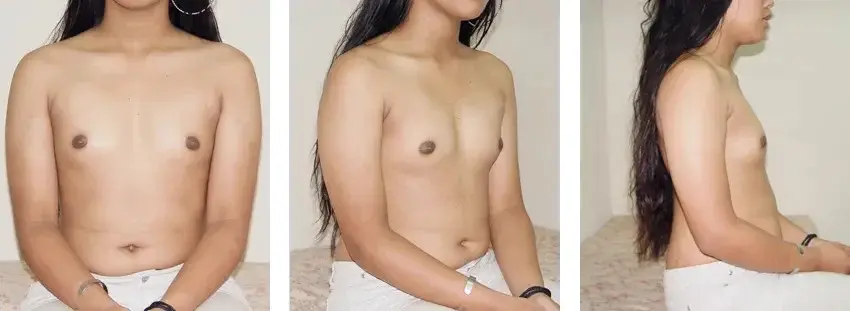
Transgender and cisgender breast augmentation share the same fundamental surgical principles. However, the starting anatomy can vary considerably among transgender women—from limited breast tissue over a broad chest to well-developed breasts following hormone therapy.

These differences affect implant coverage, breast projection, cleavage and the shape of the lower breast. The same implant size or surgical technique can therefore produce different results in different patients.

A meaningful consultation connects the appearance a patient hopes to achieve with the possibilities and limitations of her anatomy. The surgical assessment considers five factors together: existing breast tissue, chest width, nipple position, the pectoralis muscle and the inframammary fold.

Breast Development Following Hormone Therapy

Estrogen can produce meaningful breast development, but the amount and timing vary. Some patients achieve the volume they want through hormone therapy, while others consider augmentation for additional fullness or a different contour.

Published research illustrates this variation:

StudyParticipantsObservation periodMain finding
de Blok et al., 2018229 transgender womenOne year48.7% had a calculated cup size below AAA.
de Blok et al., 202169 transgender womenThree yearsBreast volume continued to increase; 71% had a calculated cup size below A.

These studies involved different cohorts and measurement methods, so their percentages should not be compared directly. The findings provide context rather than predict an individual patient’s development.

Limited breast development does not necessarily indicate inadequate hormone treatment. The amount of existing tissue, the stage of development and the patient’s goals should all inform the timing and planning of surgery.

Five Anatomical Factors That Shape the Surgical Plan

1. Existing Breast Tissue — Coverage and Natural Contour

Existing breast tissue contributes to the final breast volume and provides coverage over the implant. When development is substantial, a moderate implant may provide the desired enhancement while working with the shape already present.

When tissue is limited, the implant creates more of the breast mound. Its dimensions and placement require particular attention to avoid an abrupt transition from the chest to the breast or excessive visibility of implant edges.

Limited tissue does not automatically mean that a larger implant is better. Chest width, skin flexibility and the available space for expansion must also be considered.

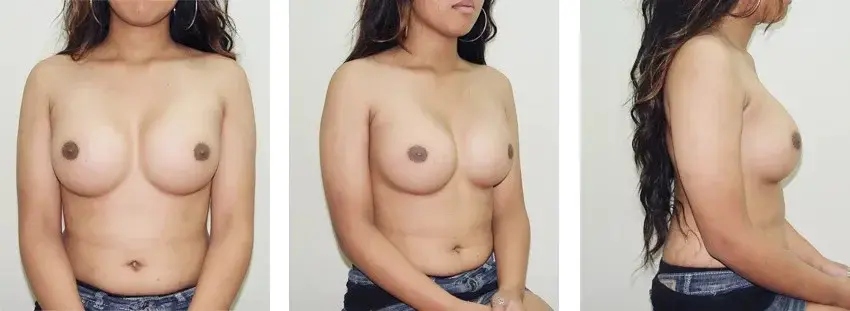
Patient Example — 380 cc Breast Implants
18-year-old patient from France

breast-augmentation-380cc-dr-chettasak-before-surgery

Before Surgery

breast-augmentation-380cc-dr-chettasak-after-surgery

After Surgery

This case illustrates how implant selection complements existing breast tissue and chest proportions. Individual results vary.

Surgery by Dr. Chettasak Tulayaphanich · WIH International Hospital

Part 2 — Vaginal Canal and Lining

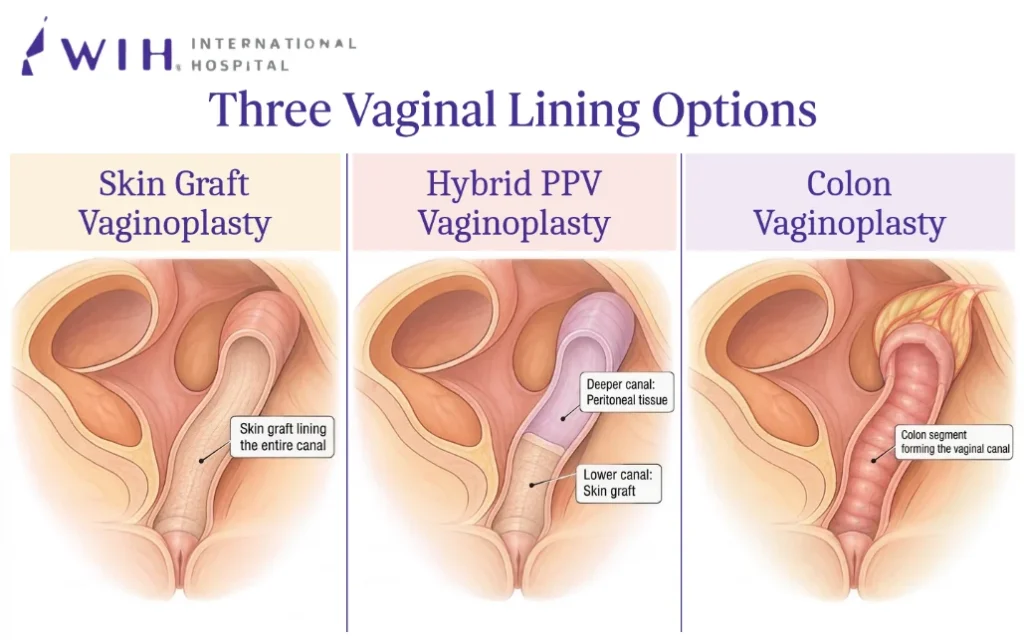
Whichever lining you choose (Skin Graft, Hybrid PPV, or Colon), the outside is built with the same NPI design by Dr. Chet. NPI Zero-Depth Vaginoplasty uses the same external design too, but without creating a vaginal canal. The two parts are planned separately, but always with each other in mind.

How External Genital Design and Vaginal Lining Work Together

Surgical OptionWhat It MeansExternal Genital DesignVaginal Canal Lining
Conventional Penile Inversion VaginoplastyPenile skin is inverted inward to form the vaginal canal.Constructed from the remaining genital tissue; the design varies among surgeons.Primarily penile skin, with an additional skin graft when required
WIH NPI Skin Graft VaginoplastyWIH NPI external genital design combined with a skin graft used to line the entire vaginal canal.WIH NPI external genital designA skin graft lining the entire vaginal canal
WIH NPI Hybrid PPV VaginoplastyWIH NPI external genital design combined with skin graft and peritoneal tissue.WIH NPI external genital designSkin graft lining the lower canal and peritoneal tissue lining the deeper canal
WIH NPI Colon VaginoplastyWIH NPI external genital design combined with colon lining.WIH NPI external genital designA segment of colon forming the vaginal canal
WIH NPI Zero-Depth VaginoplastyWIH NPI external genital design without creation of a vaginal canal.WIH NPI external genital designNo vaginal canal or lining

When choosing your lining, you and Dr. Chet will talk through the depth you want, your expectations about natural moisture and lubrication, whether abdominal surgery is suitable for you, and how ready you are to keep up with dilation after surgery.

2. Chest Width — Matching the Implant to Body Proportions

Chest width helps determine the appropriate implant base. On a broad chest, a narrow implant may create a prominent but relatively small breast mound that does not balance the surrounding torso.

Implant selection therefore considers width, projection and volume together. A broader implant may provide a more proportionate footprint, while its projection determines how much fullness extends forward.

Some patients with a broad chest may need a larger implant to achieve their desired proportions. However, there is no minimum implant size for transgender breast augmentation. The final choice depends on measured anatomy, tissue coverage and the dimensions of the selected model.

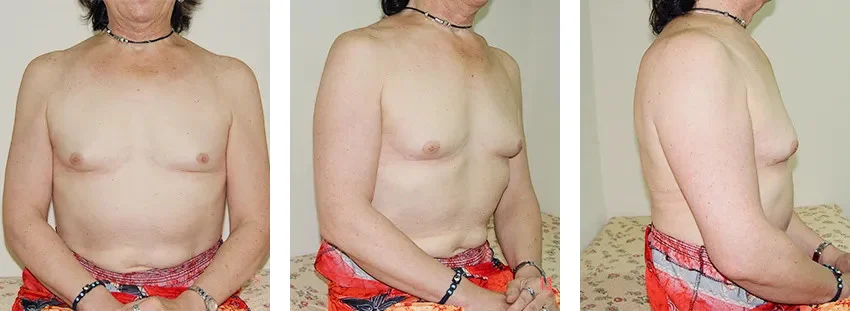
Patient Example — 600 cc Breast Implants
59-year-old patient from France

Breast-implant-surgery-600cc-Doctor-Chettawut-breast-augmnetation-gallery-before-surgery

Before Surgery

Broad-chest anatomy before breast augmentation with 600 cc implants at WIH Hospital

Breast-implant-surgery-600cc-Doctor-Chettawut-breast-augmnetation-gallery-after-surgery

After Surgery

Broad-chest result after breast augmentation with 600 cc implants at WIH Hospital

This case illustrates how implant selection complements existing breast tissue and chest proportions. Individual results vary.

Surgery by Dr. Chettasak Tulayaphanich · WIH International Hospital

Compare Vaginal Lining Options

One NPI external design. Three vaginal lining options.

Skin Graft, Hybrid PPV, and Colon Vaginoplasty are not three different external designs. At WIH, all three full-depth options use Dr. Chet’s NPI design for the outside. What differs is the tissue used to line the vaginal canal.

No single lining is right for everyone. The best choice for you depends on your anatomy, the depth you want, your expectations about natural moisture, whether abdominal surgery is suitable for you, and your commitment to ongoing dilation.

Shared Across All Three Full-Depth Options
External genital design: WIH NPI surgical design

Skin Graft Vaginoplasty

This option lines the vagina with a skin graft, with no abdominal surgery needed. It may suit you if you would rather avoid abdominal surgery and are comfortable using lubricant, which is generally needed.

  • Vaginal lining: Skin graft
  • Usual WIH depth goal: 6 inches or more
  • Natural moisture and self-lubrication: The skin graft does not produce mucus; additional lubricant is generally required
  • Abdominal surgery: Not required
  • Postoperative dilation: Required

Explore Skin Graft Vaginoplasty

Hybrid PPV Vaginoplasty

Hybrid PPV Vaginoplasty combines a skin graft in the lower vaginal canal with peritoneal tissue in the deeper canal. This technique requires laparoscopic surgery and may provide variable natural moisture from the peritoneal lining, although additional lubricant may still be needed.

  • Vaginal lining: Skin graft in the lower canal and peritoneal tissue in the deeper canal
  • Usual WIH depth goal:5 inches or more
  • Natural moisture and self-lubrication: Variable serous moisture from the peritoneal tissue; additional lubricant may still be needed
  • Abdominal surgery: Laparoscopic surgery required
  • Postoperative dilation: Required

Explore Hybrid PPV Vaginoplasty

Colon Vaginoplasty

Colon Vaginoplasty uses a segment of colon to create a deeper, mucus-producing vaginal canal. This technique requires laparoscopic bowel surgery and careful assessment of the patient’s general health, bowel condition, and medical suitability for abdominal surgery.

  • Vaginal lining: Colon mucosa
  • Usual WIH depth goal: 7 inches or more
  • Natural moisture and self-lubrication: The colon lining produces mucus; the amount and frequency vary among patients
  • Abdominal surgery: Laparoscopic bowel surgery required
  • Postoperative dilation: Required

Explore Colon Vaginoplasty

3. Nipple Position — Balancing Cleavage and Breast Alignment

Nipple position is especially important when discussing cleavage. Widely spaced nipples affect where each implant should sit to keep the nipple naturally aligned with the new breast mound.

Standard implant augmentation does not directly relocate the nipple–areola complex. Positioning the implants closer to the center may improve medial fullness, but excessive inward positioning can make the nipples appear too far toward the outer edges of the breasts.

The surgical plan balances the desired cleavage with nipple alignment and the normal separation between the breasts. These anatomical limits are discussed during consultation so that expectations are realistic.

breast-augmentation-320cc-dr-chettasak-before-surgery

Before Surgery

breast-augmentation-320cc-dr-chettasak-after-surgery-Post-op 3 months

After Surgery

This case demonstrates a well-balanced result, combining the desired cleavage with proper nipple alignment and a natural separation between the breasts.. Individual results vary.

Surgery by Dr. Chettasak Tulayaphanich · WIH International Hospital

4. Pectoralis Major — Coverage, Projection and Muscle Tension

The pectoralis major is the large chest muscle that can cover the upper portion of an implant. Its thickness and tightness influence both implant selection and pocket creation.

Muscle coverage can be useful when breast tissue is limited, helping soften the transition at the upper breast. A thick or tight muscle may also restrict projection or lower-breast expansion if the pocket is inadequately released.

Assessment includes observing the muscle at rest and during contraction. The surgeon then considers implant projection, controlled muscle release and whether a dual-plane modification is appropriate.

Placement beneath the muscle involves trade-offs. These include muscle-related discomfort during recovery and possible breast movement when the muscle contracts, known as animation deformity.

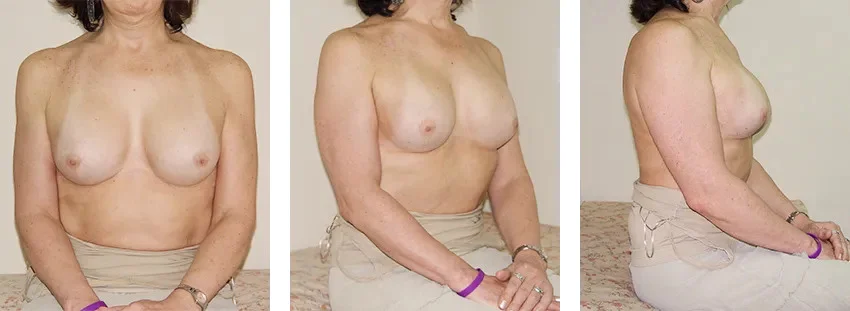
Patient Example — 600 cc Breast Implants
26-year-old patient from Finland

Breast-implant-surgery-600cc--Doctor-Chettawut-breast-augmnetation-gallery-before-surgery

Before Surgery

Breast-implant-surgery-600cc--Doctor-Chettawut-breast-augmnetation-gallery-after-surgery-5--years

After Surgery

This case illustrates how implant selection and pocket planning account for pectoralis muscle characteristics. Individual results vary.

Surgery by Dr. Chettasak Tulayaphanich · WIH International Hospital

5. Inframammary Fold and Lower Pole — Establishing the Breast Foundation

The inframammary fold, or IMF, is the crease beneath the breast. It defines the lower boundary of the breast mound and influences the relationship between implant position and nipple height.

Some transgender patients have a high fold and a short, tight lower breast. If this space cannot accommodate the selected implant, the implant may sit too high and the lower contour may remain insufficiently developed.

In suitable cases, the fold needs to be lowered. This requires careful measurement and controlled release of restrictive tissues.

Insufficient release may leave the implant high. Excessive lowering may allow it to descend too far, causing bottoming out. Planning considers implant dimensions and the stretched nipple-to-fold distance, with reassessment of breast shape during surgery.

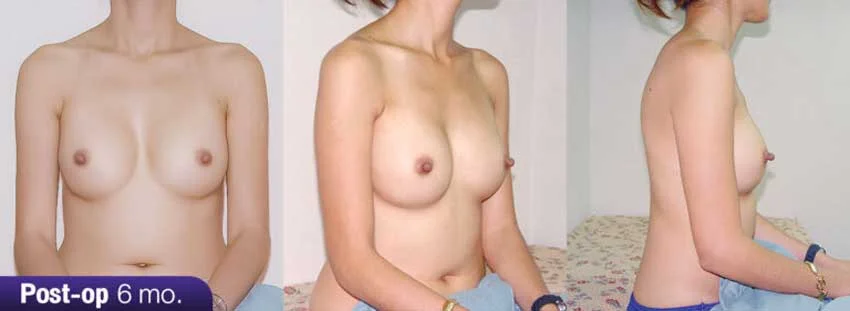
Patient Example — 380 cc Breast Implants 23-year-old patient from Thailand

breast-augmentation-300cc-dr-chettasak-before-surgery

Before Surgery

breast-augmentation-300cc-dr-chettasak-after-surgery-post-op 6 months

After Surgery

Surgery by Dr. Chettasak Tulayaphanich · WIH International Hospital

Important Clinical Information

Natural moisture varies according to the vaginal lining and the individual patient. Moisture produced by peritoneal or colon tissue is not equivalent to arousal-related vaginal lubrication, and additional lubricant may still be needed.

The stated depth figures are surgical goals, not guarantees. Final vaginal depth depends on individual anatomy, available tissue, intraoperative findings, healing, and adherence to the postoperative dilation program.

Do You Need a Vaginal Canal?

Patients who do not require a vaginal canal for receptive penetration may consider WIH NPI Zero-Depth Vaginoplasty. This procedure applies the same principles of NPI external genital design without creating a vaginal canal. Because no vaginal canal is created, dilation is not required to maintain vaginal depth.

Explore WIH NPI Zero-Depth Vaginoplasty

Choosing Breast Implants Together

Implant selection is a shared decision. The patient’s preferences guide the desired appearance, while clinical measurements help identify options that can be appropriately covered and supported.

Implant Brand and Model

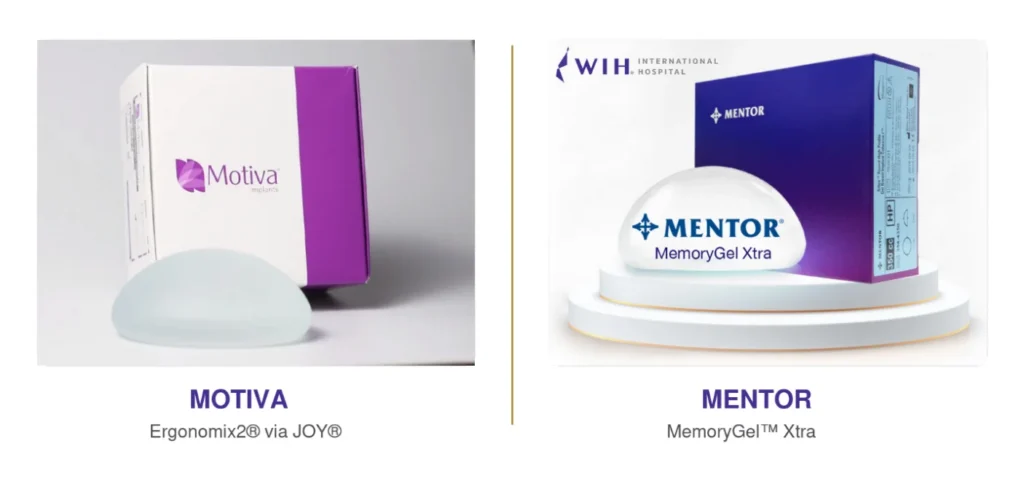
Implant options discussed at WIH include Motiva Ergonomix2 through the JOY program and Mentor MemoryGel Xtra.

The consultation explains relevant differences between available models, including dimensions, projection and gel characteristics. The recommendation considers how these features relate to the patient’s tissues and desired contour.

Current availability, product information and warranty terms are reviewed when the treatment plan is finalized.

Motiva and Mentor breast implant options discussed at WIH Hospital

A Great Outcome Is a Partnership

A good result does not come from surgical technique alone. It comes from three partners working together: You, Dr. Chet, and the WIH team.

Each plays a distinct role, from planning before surgery through long-term recovery.

  • You — Understanding and Self-Care

Gender-affirming surgery can bring meaningful change to how your body looks and functions, but every result is shaped by your anatomy, your tissue, how you heal, and the care you take afterward. Before deciding, it is important to understand the goals, limitations, risks, and recovery requirements of the procedure you choose. Your result may not look exactly like another patient’s photographs, and appearance, depth, sensation, moisture, and healing cannot be guaranteed.

Your part matters as much as the surgery itself. Share your full medical history, follow the preparation instructions, and after surgery take care of your wound, keep up with dilation, follow activity restrictions, and attend your follow-up visits. Steady, long-term self-care is what protects your healing, your depth, and your result.

  • Dr. Chet — Creating and Protecting Your Result

Dr. Chet’s role is to help you choose the right vaginoplasty technique, design your external anatomy, create a functional vaginal canal, and protect the blood supply and nerves that carry sensation. The best results take experience, meticulous technique, dedication, and the time to get every detail right. If a problem arises, he also needs to recognize the early signs and treat them systematically, to protect your appearance, function, and sensation.

  • The WIH Team — By Your Side Through Recovery

After surgery, WIH’s multidisciplinary team cares for you both physically and emotionally. This includes anesthesia care, pain control, wound checks, infection prevention, nursing support, helping you get up and moving safely, and dilation training tailored to you. At WIH, you can stay in the hospital for an extended recovery. That means trained nurses and doctors can watch your healing closely and teach you the skills you will need to care for yourself. If any concern comes up, Dr. Chet can see you quickly, and anesthesia and operating-room support are available 24 hours a day for surgical emergencies. Our care continues from your hospital stay through dilation training and discharge planning, and on to follow-up after you return home.

Explore WIH Long-Stay Recovery

Gender-affirming surgery, specialized hospital care, and your partnership at WIH International Hospital

Surgical Risks and Possible Complications

Gender-affirming surgery is a major operation, and like all surgery, it carries risks. We want you to understand them clearly before you decide. The type and likelihood of complications depend on the technique, your health, anatomy, tissue condition, and postoperative care.

The tables below list important complications you should know about before surgery. The list is not exhaustive, and not every complication applies to every technique. Some complications may need additional treatment or revision surgery.

External Genital, Wound, and Urinary Complications

No.Potential Complication
1Bleeding or Hematoma
2Skin-Flap or Reconstructed Genital-Tissue Necrosis
3Surgical-Site Infection or Abscess
4Urinary Retention or Difficulty Urinating
5Wound Dehiscence or Persistent Granulation Tissue

Vaginal Canal and Intra-abdominal Complications

No.Potential Complication
1Bleeding or Hematoma
2Skin-Flap or Reconstructed Genital-Tissue Necrosis
3Surgical-Site Infection or Abscess
4Urinary Retention or Difficulty Urinating
5Wound Dehiscence or Persistent Granulation Tissue

*Bowel anastomotic leakage and colon-segment prolapse are specifically associated with colon vaginoplasty. The complications relevant to each patient depend on the selected surgical technique.

Your Risk Factors and How to Reduce Them

Your chance of complications depends on your overall health, anatomy, chosen procedure, tissue condition, and how closely you follow instructions before and after surgery.

If you smoke, vape, or use nicotine in any form, blood flow to your tissue can drop, which raises the risk of slow healing, infection, wound separation, and tissue loss. A higher body mass index (BMI) may increase risks related to anesthesia, blood clots, wound healing, and infection. If you are considering colon vaginoplasty, Dr. Chet will also carefully assess your bowel health and anything that could affect bowel healing.

Having a risk factor does not mean a complication will happen. Every patient is assessed individually, and we help you address risks that can be changed before surgery. After surgery, following wound-care and dilation instructions remains essential for healing, depth, and your long-term result.

Understand Possible Complications, Warning Signs, and Treatment

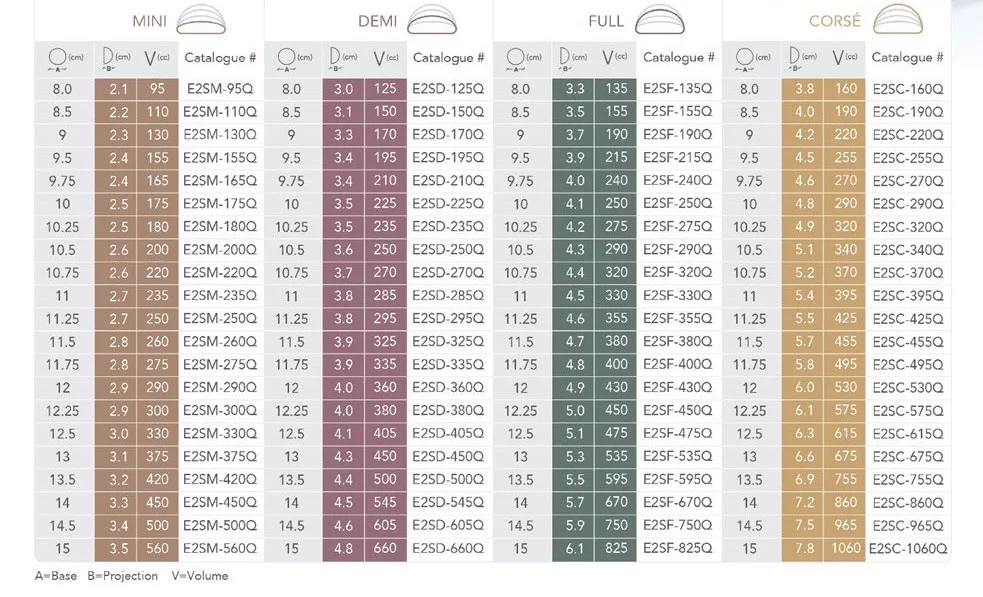
Width, Projection and Volume

Volume is only one part of implant selection. Two implants with similar volumes may have different widths and projections, producing different effects on the same chest.

CharacteristicWhat it means for planning
Base widthThe implant’s footprint and how it fits the available breast base.
ProjectionHow far the implant extends forward from the chest.
VolumeAdded fullness, considered alongside width and projection.
Gel and model characteristicsFeatures influencing implant feel and shape behavior.
Tissue coverageHow well surrounding tissues can conceal and support the implant.
Size-Motiva-joy

The selected combination should fit the patient’s proportions and preferences while respecting tissue limitations.

Visualizing the Desired Result

Reference photographs, external implant sizers and simulation tools help patients communicate their preferences.

These tools cannot predict exactly how tissues will stretch or how the implant will settle. A particular implant volume also cannot guarantee a specific bra cup size, which varies with chest measurements and bra brands.

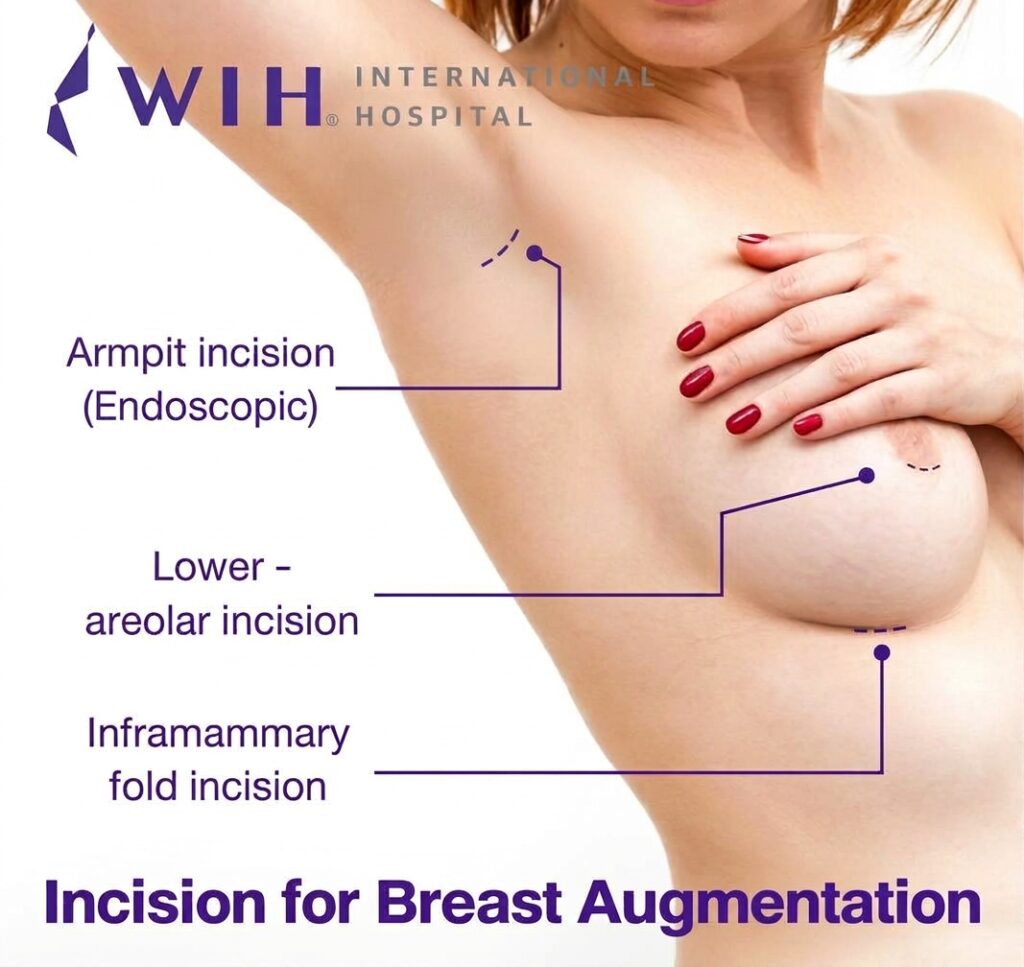
Choosing the Incision: Where Will the Scar Be?

Scar preference matters, but the incision must also provide suitable access for implant insertion, pocket dissection and any necessary fold adjustment.

ApproachScar locationMain considerations
InframammaryIn the crease beneath the breastDirect access for pocket creation and IMF control. Scar placement must account for the intended final fold.
Endoscopic transaxillaryIn the underarmAvoids an incision on the breast itself. Endoscopic visualization supports pocket dissection and controlled release.
PeriareolarAlong part of the areolar borderRequires suitable areolar dimensions. Smaller areolae may limit access for implant insertion.
Breast Augmentation Incision Options at WIH International Hospital

Breast Augmentation Incision Options at WIH International Hospital

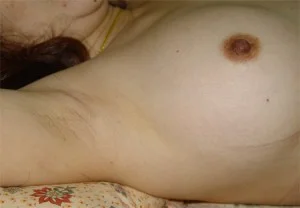
An underarm approach still leaves an underarm scar. Scar visibility varies with skin characteristics, healing and postoperative care.

Underarm scar at 1-year follow-up after breast augmentation.

Incision-for-Breast-Augmentation

This case demonstrates a well-faded underarm scar that is barely visible at the one-year follow-up after breast augmentation.

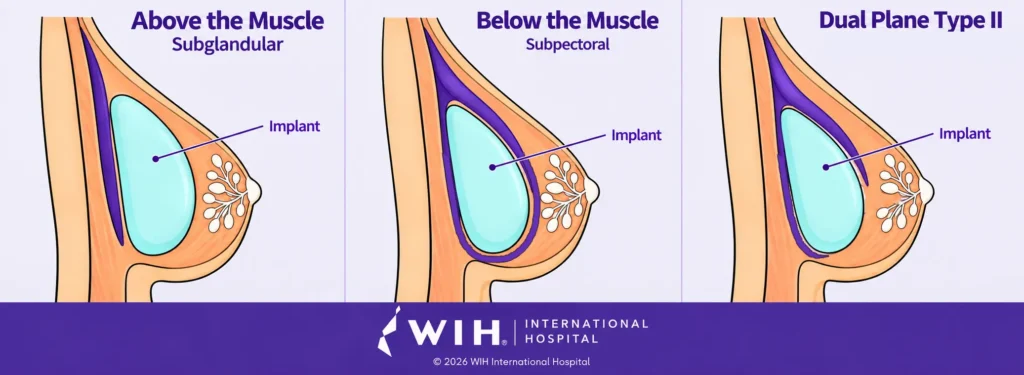
Above or Below the Muscle? Understanding Implant Placement

The implant plane describes which tissues cover the implant. It is selected according to breast tissue thickness, muscle characteristics, skin flexibility and the desired shape.

Subglandular and Subfascial Placement — Above the Muscle

Subglandular placement positions the implant beneath the breast tissue and above the pectoralis muscle. It may be suitable when existing tissue provides adequate coverage or when some degree of breast droop needs to be considered. Muscle-related implant movement is avoided, but thin coverage can make implant edges or rippling more visible.

Subfascial placement positions the implant just beneath the pectoral fascia, the layer between the breast tissue and the pectoralis muscle. Because this fascia is very thin, it adds no meaningful layer of coverage, so subfascial placement behaves much like subglandular placement in practice.

Subpectoral Placement — Beneath the Muscle

Subpectoral placement provides muscle coverage over part of the implant and is often considered when breast tissue is limited.

Planning must account for muscle tightness, implant projection and lower-pocket release. Muscle-related discomfort and animation are important considerations.

Dual-Plane Placement — Combining Coverage with Lower-Breast Expansion

Dual-plane augmentation combines upper muscle coverage with a lower implant portion beneath the breast tissue. Controlled release allows the lower breast to accommodate the implant.

Different modifications involve different amounts of tissue separation. The surgeon selects the appropriate modification according to the anatomy and planned contour.

Comparison of 3 breast implant placement planes: Above the Muscle (Subglandular), Below the Muscle (Subpectoral), and Dual Plane Type II, showing muscle coverage and implant positioning.

Comparison of 3 breast implant placement planes:
Above the Muscle (Subglandular), Below the Muscle (Subpectoral), and Dual Plane Type II, showing muscle coverage and implant positioning.

Why Patients Choose WIH and Dr. Chet

Choosing your surgeon and hospital is one of the most important decisions you will make, so you should know who will be caring for you.

Dr. Chettasak Tulayaphanich, known to patients as Dr. Chet, has more than 30 years of experience in gender-affirming surgery. Many patients around the world know him by his former name, Dr. Chettawut Tulayaphanich. He is the same surgeon, now practicing under the name Dr. Chettasak. At WIH International Hospital, he works with a dedicated multidisciplinary team, combining individualized surgical planning, advanced reconstructive techniques, and comprehensive postoperative care, with a focus on natural appearance, function, preserved sensation, and your safety.

Why Patients Choose WIH and Dr. Chet

Whether you are just exploring your options or ready to move forward, Dr. Chet and the WIH team are here to guide you through consultation, surgical planning, and recovery.

Request a Personalized Consultation

Email: info@wihhospital.com
WhatsApp: +66 95 650 3892

Email WIH WhatsApp LINE

Endoscopic Transaxillary Breast Augmentation at WIH

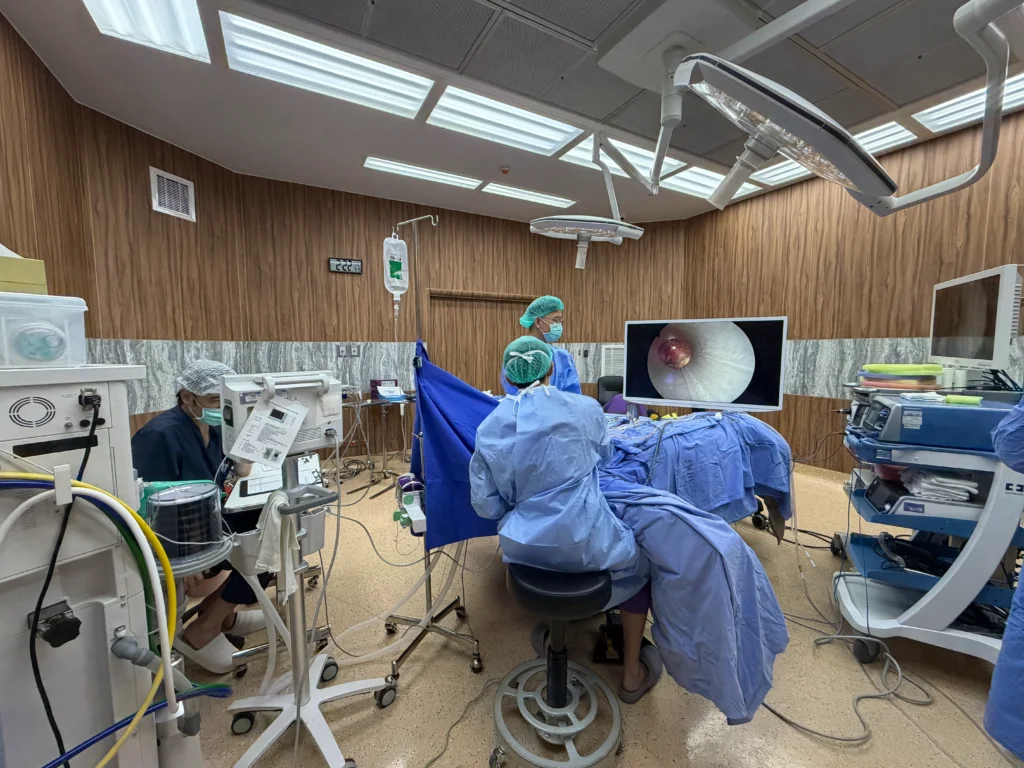
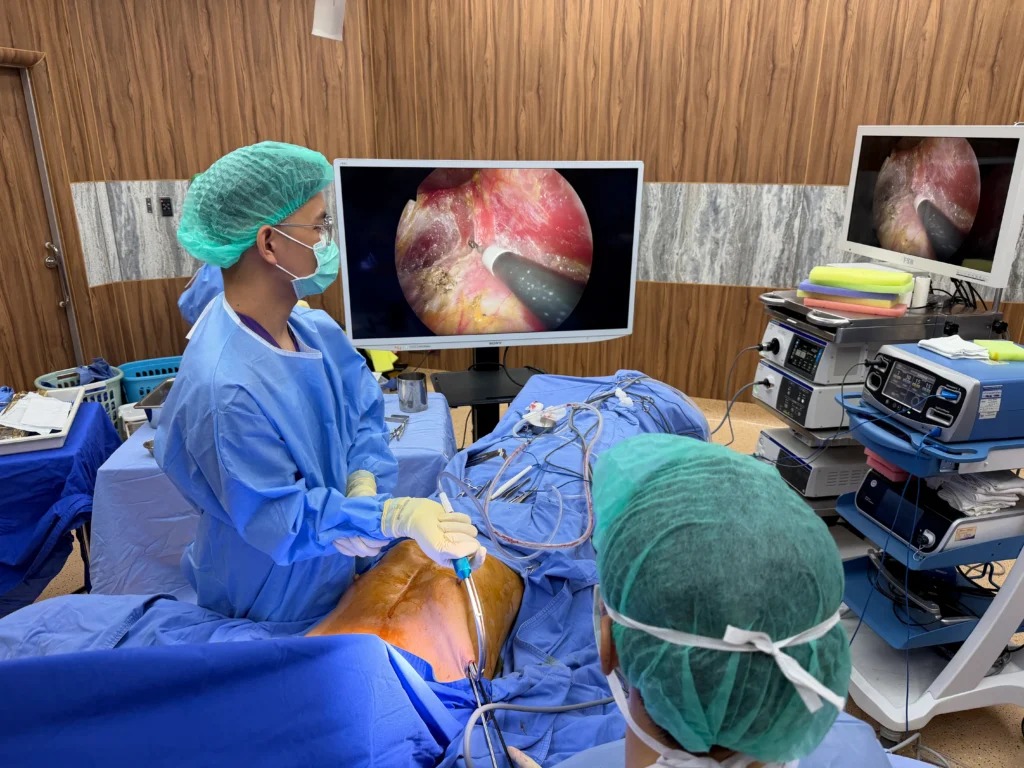
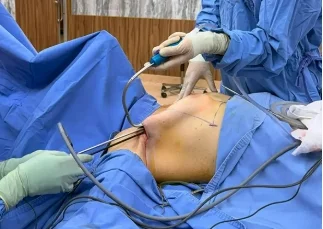
For suitable patients who prefer an incision away from the breast, WIH offers endoscopic transaxillary augmentation through an underarm incision.

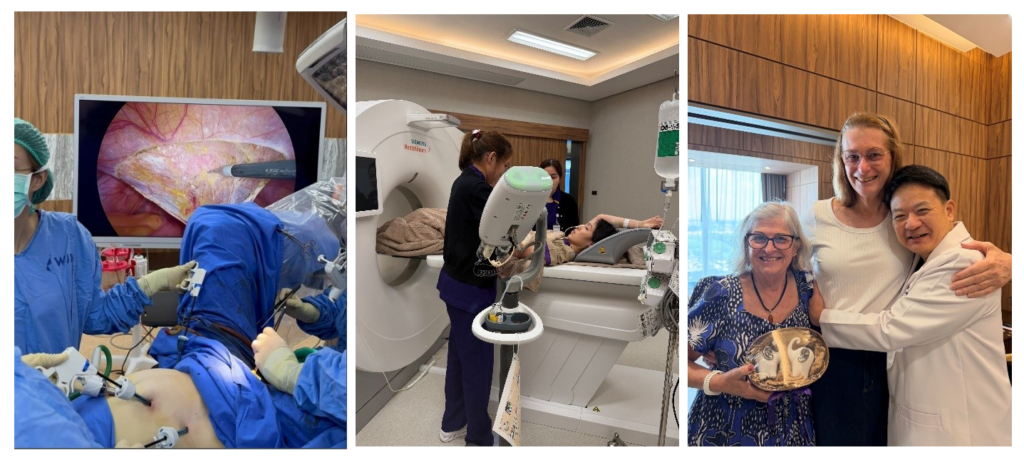
An endoscope provides a clear view of the operative pocket on a monitor, allowing dissection under direct visualization, control of bleeding and precise adjustment of the lower and lateral pocket boundaries.

When the lower breast is tight or the inframammary fold needs lowering, controlled release creates additional lower-pole space so the implant can sit at the planned level within the expanded pocket.

Dual-Plane Options Through Endoscopic Access

The standard approach used at WIH generally creates a Dual Plane Type I pocket through controlled release of the inferior pectoralis attachment. Types II and III can also be performed when indicated, using additional endoscopic dissection between the breast tissue and the anterior surface of the pectoralis muscle.

This additional separation extends upward from the inframammary fold to the lower border of the areola for Type II, or to the upper border for Type III, according to the required tissue adaptation.

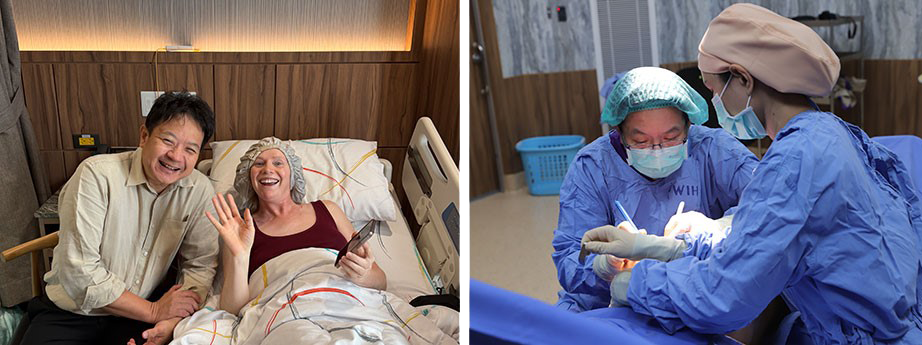
transgender-operation-surgery

The consultation considers anatomy, scar preference and surgical cost when choosing between endoscopic transaxillary and inframammary access.

Precise pocket creation establishes the implant’s position; tissue healing and pocket stability then influence how the final breast shape develops.

Pocket Stability and the Final Breast Shape

The inframammary fold and lateral pocket boundary help support the implant at the planned level and limit excessive downward or outward movement as tissues heal.

Swelling and muscle tension may initially make the implants appear high. The final breast shape can generally be appreciated around 3–6 months after surgery, as the implants settle into the lower poles and the inframammary folds become more clearly defined. The aim is for both breasts to have similar contours and fold levels, although individual anatomy and healing may leave some asymmetry.

Healing and Follow-Up

Follow-up assesses healing, implant position, symmetry and breast softness, including signs of capsular contracture such as increasing firmness, distortion or discomfort. Postoperative care is adjusted to support recovery and maintain the intended pocket boundaries.

breast-augmentation-380cc-dr-chettasak-before-surgery

Before Surgery

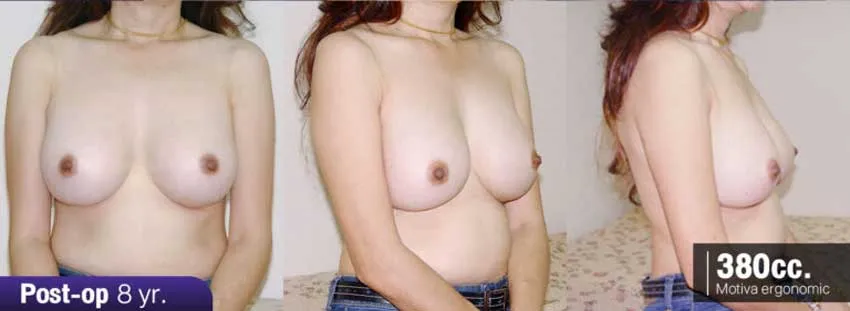
breast-augmentation-380cc-dr-chettasak-after-surgery Post-op 8 years

After Surgery

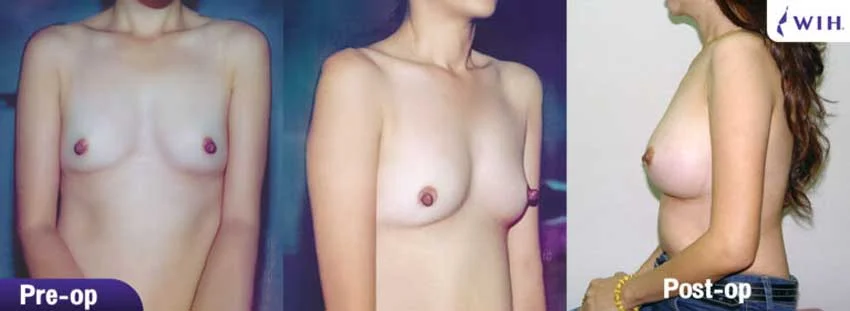
Long-Term Breast Shape — Before Surgery and at 8-Year Follow-Up
Breast augmentation with 380 cc implants · Submuscular placement · Transaxillary (underarm) incision

How to Choose the Best Hospital for Transgender Breast Augmentation in Thailand

Choosing a hospital involves considering the surgeon’s experience with transgender breast anatomy, a clear explanation of surgical options and limitations, appropriate anesthesia and hospital support, and continuity of postoperative care.

Your consultation should address tissue coverage, chest proportions, nipple position and breast-fold planning. If you are considering revision surgery, it should also identify the existing problem and explain what correction can realistically achieve.

At WIH International Hospital in Bangkok, Thailand, our plastic surgery team provides individualized assessment and surgical planning, supported by coordinated hospital care and postoperative follow-up.

Whether you are considering your first breast augmentation or seeking revision of a previous result, contact the WIH team to discuss your goals, treatment options and recovery plan.

Request a Personalized Consultation

Email: info@wihhospital.com
WhatsApp: +66 95 650 3892

Request a Personalized Consultation

Email: info@wihhospital.com
WhatsApp: +66 95 650 3892

Email WIH WhatsApp LINE

Considering Revision Breast Surgery?

If you are concerned about a previous breast augmentation, the WIH surgical team can assess problems such as capsular contracture (breast firmness), asymmetry, bottoming out, high-riding implants, lateral displacement, symmastia (loss of separation between the breasts), or implant rupture.

Assessment focuses on identifying the underlying cause and discussing suitable corrective options, which may include implant exchange, capsule treatment or pocket reconstruction.

Breast implants are not lifetime devices. Your consultation also addresses surgical risks, implant-specific considerations and appropriate long-term follow-up.

Explore Revision Breast Surgery at WIH

Frequently Asked Questions About Gender-Affirming Surgery

WIH offers Skin Graft Vaginoplasty, Laparoscopic Colon Vaginoplasty, Hybrid PPV Vaginoplasty, Zero-Depth Vaginoplasty, and Orchiectomy. Dr. Chet will help you choose the procedure that fits your anatomy, goals, and needs.

The main difference is the tissue that lines the vagina. Skin Graft Vaginoplasty uses skin, Colon Vaginoplasty uses a segment of the large intestine, and Hybrid PPV combines a skin graft with peritoneal tissue. Each has its own advantages, limitations, and aftercare.

Dr. Chet will work through this with you during your consultation, looking at your anatomy, the depth you want, your lubrication preferences, your medical history, and how ready you are for aftercare, and then recommend the approach that suits you.

Traditional penile inversion uses penile skin to line the vaginal canal. Dr. Chet’s Non-Penile Inversion (NPI) Technique instead preserves the penile and preputial skin for the external genitals, focusing on a natural appearance, anatomical refinement, and preserved sexual sensation.

Preserving sensation is a major priority of the NPI Technique. Dr. Chet reconstructs the clitoris from sensitive glans tissue while protecting its nerve supply. Many patients keep sexual sensation and can experience orgasm after recovery, although results vary and cannot be guaranteed.

It depends on the technique, your anatomy, and how you heal. At WIH, the usual goal is at least 6 inches for Skin Graft Vaginoplasty, at least 6.5 inches for Hybrid PPV, and at least 7 inches for Colon Vaginoplasty. Keeping that depth long term also depends on aftercare and regular dilation.

Yes. If you have full-depth vaginoplasty, regular dilation is essential to maintain depth and width, especially during the first two years. WIH provides a structured dilation program with personal instructions and ongoing support. Zero-Depth Vaginoplasty does not require dilation.

Like any major surgery, vaginoplasty carries risks such as bleeding, infection, wound separation, tissue necrosis, and difficulty urinating. Depending on the technique, risks may also include vaginal narrowing, loss of depth, fistula, or complications inside the abdomen. Careful planning, close monitoring after surgery, and following your recovery instructions all help reduce these risks.

Simply contact WIH by email, WhatsApp, or any of our social media channels. Tell us about your surgical goals and general health, and ask about your options.
If you live abroad, you can receive initial guidance and book an online consultation before traveling to Thailand, or meet us in person at WIH. Our team will guide you through the medical tests, documents, scheduling, and travel preparation you need.

Learn more: GAS Preparation Guide

Frequently Asked Questions

Breast massage is individualized rather than routinely recommended for every patient. Based on his clinical experience, Dr. Chettasak may recommend carefully directed massage for selected patients to help maintain breast softness and manage tissue tightness.

Some studies have reported lower rates of capsular contracture with postoperative exercises, although findings are inconsistent and largely involve older implants and techniques. Massage is therefore considered one part of postoperative care rather than a guaranteed method of prevention.

Patients with adequate tissue coverage and a stable pocket without excessive tightness may not need routine massage. The decision also considers implant design, placement and healing. When recommended, the WIH team demonstrates the timing and technique, with particular care to avoid overstretching the lower or lateral pocket.

The fundamental techniques are shared. Differences in tissue coverage, chest width, nipple position, muscle and breast-fold anatomy can change the plan. Individual assessment determines the approach.

Many transgender patients have limited breast tissue. Placing the implant partly beneath the pectoral muscle provides additional coverage and helps create a smoother upper-breast transition.

For patients with substantial existing breast tissue and mild sagging (ptosis), subglandular placement—above the muscle—may be considered. More pronounced ptosis may require a breast lift to achieve the intended shape.

The choice is individualized according to tissue coverage, muscle anatomy, nipple position and the degree of sagging.

Implant projection describes how far the implant extends forward from the chest. At WIH, selection considers implant volume together with breast-base width, tissue coverage, chest proportions and nipple spacing.

For implants below 400 cc, Moderate Plus (Mentor) or Demi (Motiva) profiles are often considered. For implants 400 cc or larger, High (Mentor) or Full (Motiva) profiles may be suitable, depending on the patient’s anatomy and desired fullness.

These are planning preferences rather than fixed rules. A wide chest or wide nipple spacing requires careful assessment of implant width as well as projection; a higher profile alone does not correct wide nipple spacing.

Yes. In appropriately selected patients, the transaxillary (underarm) approach can achieve a breast shape comparable to the inframammary (breast-fold) approach, while placing the scar in the underarm rather than on the breast.

Transaxillary augmentation accounts for approximately 80% of WIH’s breast augmentation cases, reflecting the team’s extensive experience with this technique, including endoscopic surgery.

A surgeon experienced in different incision approaches can explain their suitability and limitations while maintaining the same goals for breast shape and implant position. At WIH, incision selection considers your scar preferences, lifestyle and anatomy, rather than simply following the surgeon’s preferred approach.

The inframammary fold (IMF) defines the lower breast contour. WIH surgeons plan its position around implant dimensions, nipple position, tissue support and existing asymmetry, aiming for balanced lower-breast proportions and closely matched fold levels.

When lowering the IMF is necessary, controlled release and careful pocket creation accommodate the implant while preserving support. The lower and lateral pocket boundaries help limit bottoming out—excessive downward movement—and lateral displacement, or outward movement.

If an inframammary incision is chosen, the scar is planned to align with the intended new fold, where it can be better concealed. Support garments, individualized activity instructions and follow-up help protect the pocket as it heals. The contour and fold levels are generally assessed more reliably at 3–6 months, although healing varies and displacement can still occur.

Yes. At WIH, this is a common combination for patients seeking breast feminization alongside genital gender-affirming surgery. Both procedures can be performed during the same general anesthetic, with breast augmentation typically adding approximately 1–2 hours to the operation, depending on the technique. Complex revision cases may require longer.

The team assesses your health, total operating time and recovery needs before recommending combined or staged surgery.

Breast implant-associated anaplastic large cell lymphoma (BIA-ALCL) is a rare lymphoma that develops in the fluid or scar capsule surrounding a breast implant. It is not breast cancer. The association is strongest with macrotextured implants, although cases have also been reported with microtextured implants. Risk varies between implant surfaces and products.

Motiva SmoothSilk implants, including Ergonomix2 used in the JOY program, are classified as smooth-surface implants, despite their fine surface microstructure. This classification should not be interpreted as a guarantee of zero risk.

Persistent swelling, a new lump or unexplained pain—particularly after the breasts have healed—should be assessed promptly. The WIH surgical team discusses implant-specific risks and long-term follow-up during consultation.

Cost depends on the implant, approach, equipment, corrective work and care arrangements. WIH provides a personalized quotation identifying the proposed procedure and what is included.