
In imperial China, eunuchs were castrated men who served in the royal palace, particularly in the women’s quarters. Their removal from traditional male sexuality and family life made them ideal servants to guard the inner court, especially the emperor’s wives and concubines. Over time, eunuchs became powerful political figures, with some rising to high ranks in administration and military strategy. Although some were punished with castration, many boys were castrated voluntarily—encouraged by families seeking status or financial security through palace service.
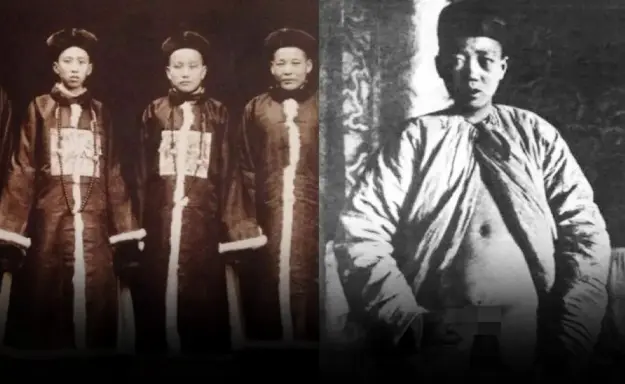
Castration of Eunuchs in Ancient China: Purpose & Procedure
📜 Purpose of Castration
In imperial China, eunuchs were castrated men who served in the royal palace, particularly in the women’s quarters. Their removal from traditional male sexuality and family life made them ideal servants to guard the inner court, especially the emperor’s wives and concubines. Over time, eunuchs became powerful political figures, with some rising to high ranks in administration and military strategy. Although some were punished with castration, many boys were castrated voluntarily—encouraged by families seeking status or financial security through palace service.
⚔️ The Procedure — No Anesthesia, Extreme Pain
The operation involved complete removal of both the penis and testicles—a procedure far more invasive than modern medical orchiectomy. Boys were often between 8 and 12 years old. The surgery was performed without anesthesia, under unsterile conditions, with assistants forcibly holding the child down. A single cut removed the external genitalia, and a bamboo or metal tube was inserted into the open urethral stump to allow urination during recovery.
No painkillers were used. The pain was excruciating during and after surgery. Recovery involved risk of fatal bleeding, infection, and urinary obstruction. Many did not survive. Those who did often required weeks to heal and were left with long-term complications.
🚽 Urinary Complications
The removal of the penis disrupted the anatomy of the urinary tract. Urethral stricturedeveloped frequently due to scarring, making urination difficult, painful, or impossible. Some eunuchs had to press on their abdomen to void urine. In other cases, urinary incontinencedeveloped, where control of urination was lost, resulting in constant leakage, irritation, and social stigma. Without reconstructive surgery or modern catheters, these issues were lifelong and debilitating.
🧬 Hormonal Effects
The testicles are the primary source of testosterone, and their removal led to profound hormonal changes. Eunuchs castrated before puberty never developed masculine features like deep voices, facial hair, or muscle mass. Their limbs grew disproportionately long due to delayed bone closure, producing the so-called “eunuchoid” body type. Later in life, eunuchs often developed osteoporosis, muscle wasting, anemia, and chronic fatigue—symptoms consistent with testosterone deficiency.
❤️🔥 Libido and Emotional Impact
Because testosterone also fuels sexual desire, eunuchs generally experienced total loss of libido. Sexual function was anatomically impossible after total emasculation, and emotional isolation was common. Many eunuchs lived without families, romantic partners, or children. Some compensated through spiritual devotion or service to the emperor. Others, like Sun Yaoting—the last Chinese eunuch—expressed deep regret about the physical and emotional cost of castration.
🔍 Comparison: Ancient Castration vs Modern Orchiectomy
| Aspect | Ancient Chinese Castration | Modern Orchiectomy (Testicle Removal) |
|---|---|---|
| Purpose | Palace service, punishment, political influence | Gender-affirming surgery, cancer treatment, hormone control |
| Procedure | Removal of penis + testicles, no anesthesia, unsterile | Removal of testicles only, with full anesthesia and sterile conditions |
| Pain Management | None — extreme pain during and after | General or spinal anesthesia + modern postoperative pain relief |
| Urinary Complications | Very common: obstruction, stricture, incontinence | Rare — urethra remains intact, no incontinence |
| Hormonal Effects | Total testosterone loss, feminized appearance, osteoporosis, anemia | Testosterone may be replaced via hormone therapy or blocked intentionally (e.g., in feminizing HRT) |
| Libido | Lost in most cases, due to physical and hormonal damage | Varies — may decline without testosterone, or be preserved with hormone therapy |
| Psychological Impact | Social isolation, regret, identity loss | Managed with psychological support, often part of gender-affirming care |
| Ethical Consent | Performed on children, often without consent | Performed with full informed consent in adults |
🧠 Final Thoughts
Castration in ancient China was a brutal and dangerous practice, performed without anesthesia or medical understanding, often for political or social gain. Survivors endured a lifetime of physical and emotional consequences. In contrast, modern orchiectomy is a medically safe, ethical, and often life-enhancing procedure—particularly for transgender women, prostate cancer patients, or individuals requiring hormone suppression.
The comparison highlights not just medical progress, but also the importance of consent, dignity, and purpose in modern surgical practice.
👉 Learn more in our Orchidectomy Without Vaginoplasty
Book Your Transformation Today – Consult with Our Specialists