


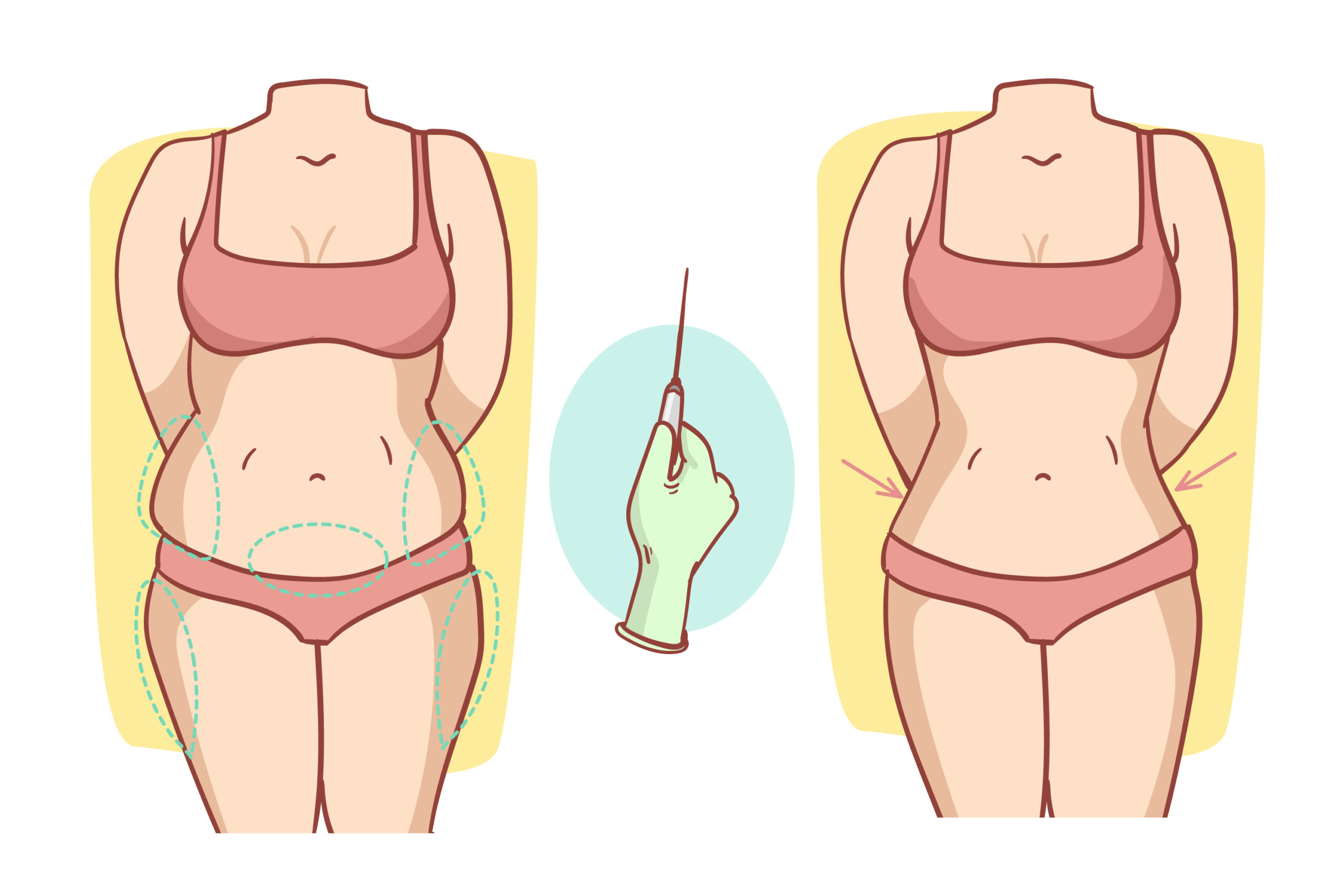
Get to know Liposuction.
Liposuction is a surgical procedure that removes excess fat from various areas of the body, such as the abdomen, arms, or thighs. It involves using a long, tube-like instrument inserted under the skin to suction out fat from targeted areas, helping to address localized fat problems, including those around the abdomen, upper arms, thighs, waist, and chin. While liposuction effectively contours the body and provides a slimmer shape, it is not a method for overall weight loss. It is considered a safe procedure with minimal risk, but it is important to choose a reputable, standardized facility with a sterile operating room and a qualified anesthesiologist to monitor your condition.
Getting Treatment with Liposuction
- Consult with a medical specialist and undergo health checkups and blood tests before body liposuction surgery.
- The doctor will assess the areas to be treated with liposuction to ensure appropriateness.
- The doctor will perform the liposuction according to the plan to achieve the best possible body proportions.
- A follow-up appointment will be scheduled to manage wound care after liposuction by a specialist.
Potential Risks
- Injury to Nearby Organs: Injuries to nearby organs, such as muscles, can occur in some cases.
- Swelling, Bruising, and Lymph Congestion: Common post-surgery issues include swelling, bruising, and lymphatic congestion.
- Irregular Contours: Improper amounts of liposuction can lead to uneven contours or irregularities.
- Numbness and Burning Sensation: Numbness around the surgical area and unusual burning sensations may occur, along with increased bleeding in some cases.
- Infection or Bleeding: Risks of infection or bleeding at the surgical site can vary based on factors such as pre-existing conditions, medications, and individual health.
Who is Liposuction Suitable For?
- People Who Are Not Overweight: Ideal candidates are typically at or near their target weight but have specific areas of excess fat.
- Those with Localized Fat Accumulation: Individuals who have stubborn fat deposits in specific areas that do not respond to diet and exercise.
- People with Uneven Proportions: Those seeking to improve body contours and achieve a more balanced appearance.
- Those Whose Fat Accumulation Cannot Be Reduced by Exercise and Diet: Individuals who have tried lifestyle changes but still have trouble areas of fat.
- People Who Want to Refine Their Shape: Those looking to enhance their body shape with precise fat removal.
Care After Liposuction
- Within 24 to 48 hours after surgery, you may experience pain, burning, swelling, and bruising around the surgical area. The doctor will prescribe medication to help relieve pain.
- Compression Garment: The doctor will ask you to wear a compression garment after liposuction to help tighten and shape the treated areas for optimal results. Around the 3rd day after surgery, if the wound is dry and free from pain, swelling, redness, or heat, you may take a shower, ensuring the wound remains dry.
- Follow-Up Appointment: After 1 week, the doctor will schedule an appointment to remove stitches and check the wound.
- Post-1 Month: After 1 month, you should avoid strenuous exercise.
- Long-term: it is important to maintain a healthy diet and exercise regularly to prevent the shape from reverting to its original proportions.
Consult with WIH International Hospital Click Here
Image By: Freepik